

Metal name plates have long been a staple in various industries—from corporate offices to manufacturing plants—thanks to their durability, professional appearance, and customization options. As businesses and individuals seek to make stronger impressions through branding and identification, the technology and artistry behind metal name plates continue to evolve. Today, trends in finishes and engraving techniques are pushing the boundaries of design, functionality, and longevity.
Table of Contents
- Why Metal Name Plates Are Still Popular
- Trending Finishes in Metal Name Plates
- Popular Engraving Techniques
- Product Spotlight: Types of Metal Tags
- Combining Finishes and Engraving for Unique Effects
- Applications of Metal Name Plates, Metal Engraved Labels, and Metal Name Tags
- FAQs About Metal Name Plates and Engraving Techniques
- Conclusion
In this post, we’ll explore the latest trends in metal name plates, including popular finishes, innovative engraving methods, and how these choices impact both aesthetics and performance. We’ll also cover important uses of metal engraved labels and metal name tags across industries, and answer common questions in our FAQ section.
Why Metal Name Plates Are Still Popular
Metal name plates are used in factories, hospitals, offices, labs, and even homes. Metal name plates last longer than plastic or paper labels and handle harsh environments like heat, moisture, and chemicals.
Whether you’re using them for machines, desks, lockers, or tools, metal name plates offer:
- Durability – Resist scratches, weather, and fading
- Professional Look – Sleek, clean, and timeless
- Customization – Add names, logos, serial numbers, and more
- Clear Identification – Perfect for safety, instructions, and asset tracking
Trending Finishes in Metal Name Plates
1. Brushed Finish
One of the most common finishes today, brushed metal has a textured look with fine lines. It’s clean, modern, and hides fingerprints or small scratches, making it ideal for daily-use areas.
2. Matte Finish
Matte finishes reduce shine and reflectivity. This is great for settings where readability is key — such as industrial sites or hospitals. It also looks very sleek and professional.
3. Glossy Finish
For more decorative or customer-facing signs, glossy finishes add shine and reflect light, making them stand out. Often used for metal name tags in retail or office spaces.
4. Polished Finish
Polished metals like brass offer a mirror-like shine. These are used for awards, plaques, and special signage. They look luxurious and can leave a strong impression.
Popular Engraving Techniques
Laser Engraving
This method uses a laser to burn designs into the surface. It’s precise, fast, and great for adding barcodes, logos, or fine details. Laser engraving is common in both metal name plates and metal engraved labels.
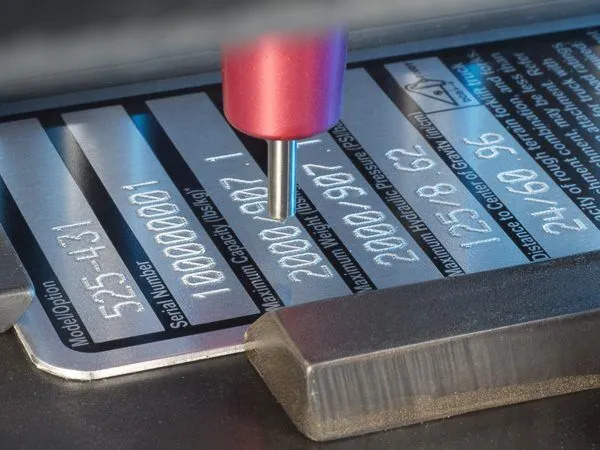
Rotary Engraving
Here, a machine cuts into the metal with a spinning tool. It’s deeper than laser engraving, giving the name plate a more tactile feel. Perfect for applications where durability matters most.
Chemical Etching
A process where acid removes parts of the metal to create the design. This gives a smooth, clean finish and is often used in electronics or aerospace industries.
Product Spotlight: Types of Metal Tags
Let’s take a closer look at three common types of metal name plates:
1. Aluminum Tags

Lightweight & Rust-Free: Aluminum doesn’t rust and is perfect for outdoor or marine use.
Custom Options: Available in different sizes, colors, and thicknesses.
Finish Variety: Matte, brushed, or anodized options.
Use Case: Ideal for asset tags, equipment labels, or product identification.
Why Choose Aluminum?
It’s affordable, strong, and can be used just about anywhere. Great for large batches of metal engraved labels or serial number tags.
2. Brass Tags
Classic Appearance: Brass has a gold-like tone, giving a premium and timeless feel.
High Heat Resistance: Can be used in hot environments like boiler rooms.
Ages Well: Develops a natural patina over time.
Use Case: Perfect for valves, awards, or decorative signage.

Why Choose Brass?
If you’re looking for elegance and toughness, brass delivers both. Often used in hotels, museums, and even restaurants.
3. Stainless Steel Tags
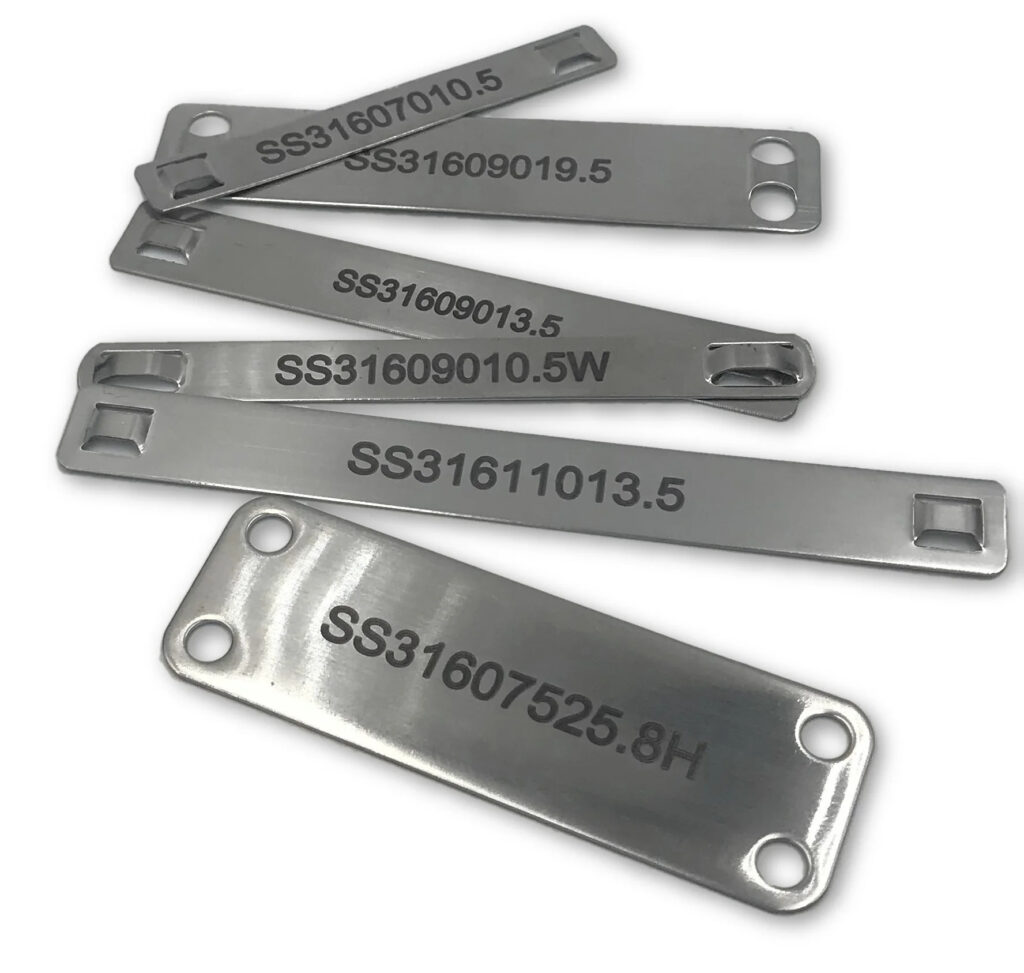
Toughest Material: Handles harsh conditions like chemicals, moisture, and abrasion.
Long-Lasting: Perfect for industries that need name plates to last years.
Professional Look: Brushed or matte finishes are commonly used.
Use Case: Ideal for heavy machinery, oil & gas, food processing, and more.
Why Choose Stainless Steel?
It’s the most durable option for metal name plates. Choose this if you need strength, reliability, and safety.
Combining Finishes and Engraving for Unique Effects
Modern manufacturers and designers combine different finishes and engraving techniques through specialized custom fabrication services to create truly unique metal name plates. For example, a brushed aluminum plate with laser-engraved black text can offer both style and contrast, while a polished brass plate with deep cut rotary engraving delivers a classic, high-end look.
Color fill, where engraved areas are filled with enamel or paint, is another growing trend. This adds vibrancy and improves readability, especially on darker metals.
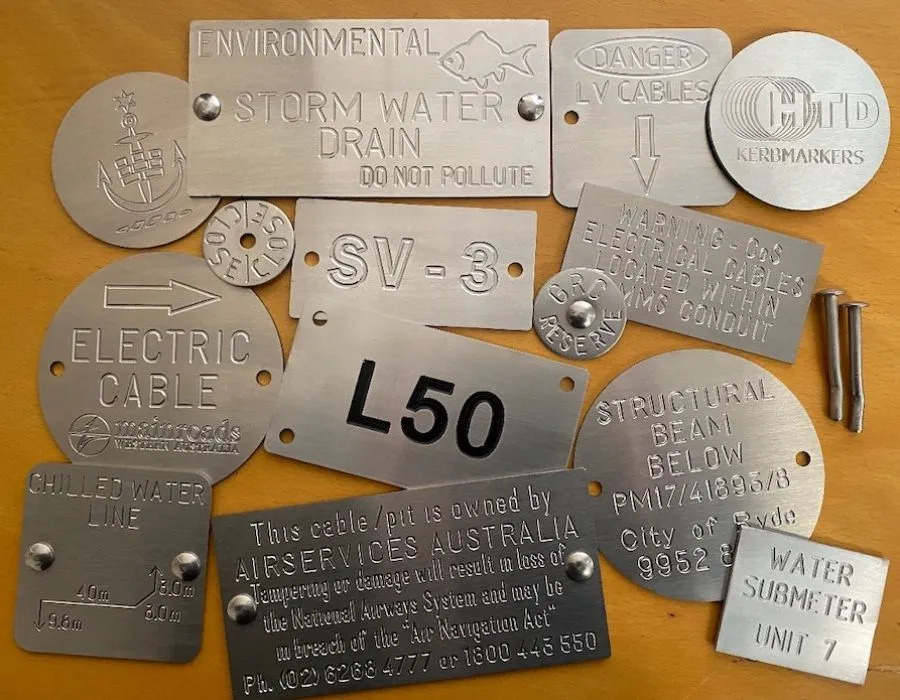
Applications of Metal Name Plates, Metal Engraved Labels, and Metal Name Tags
- Corporate Branding: Executive desks, conference rooms, and lobby signage often feature elegant metal name plates to reinforce a professional image.
- Gifts and Awards: Personalized metal name plates make timeless keepsakes for awards and recognition plaques.
FAQs About Metal Name Plates and Engraving Techniques
How long do metal name plates last?
Metal name plates can last for decades, especially when made from durable materials like stainless steel or brass and finished with protective coatings.
Are metal engraved labels weather-resistant?
Yes, metal engraved labels are highly resistant to weather, chemicals, and abrasion, making them suitable for outdoor and industrial use.
Can I customize metal name tags with logos and graphics?
Absolutely! Modern engraving techniques, especially laser engraving and photo etching, allow for precise reproduction of logos, graphics, and complex designs.
What metals are commonly used for name plates?
Common metals include stainless steel, aluminum, brass, copper, and anodized aluminum. Each offers different aesthetics and durability levels.
Is laser engraving better than rotary engraving?
Laser engraving offers higher precision and is ideal for detailed designs. Rotary engraving provides a deeper cut and tactile feel, which may be better for heavy-duty applications.
Conclusion
As the demand for durable, stylish, and customizable identification solutions grows, trends in metal name plates finishes and engraving techniques continue to innovate. From sleek brushed finishes to colorful anodized coatings, and from precise laser engraving to traditional rotary cuts, today’s metal name plates offer a wide range of options to suit any business or personal need. To explore more about custom signage solutions, businesses are increasingly looking for ways to blend function with design.
Whether you need metal engraved labels for industrial equipment or elegant metal name tags for corporate events, understanding these trends can help you select the perfect style and technique to make your name plates stand out while lasting for years.