

When it comes to crafting the perfect guitar, one of the most crucial elements that often gets overlooked is the soundboard. The guitar soundboard plays an essential role in shaping the tonal characteristics and overall resonance of your instrument. Whether you’re a seasoned professional or a budding musician, understanding the impact of the best guitar soundboards can elevate your playing to new heights.
Table of Contents
- The Role of the Guitar Soundboard in Tone Production
- The Best Guitar Soundboards for Different Playing Styles
- The Science Behind Thermally Modified Soundboards
- How to Choose the Right Soundboard for Your Guitar
- The Impact of a High-Quality Soundboard on Your Playing Experience
- Moving Forward: Finding the Soundboard That Complements Your Playstyle
From the widely revered Sitka spruce soundboards to the innovative thermally modified soundboards, the right choice can drastically affect the quality of sound you produce. In this post, we’ll explore how different types of soundboards can influence your guitar’s performance and help you make an informed decision to elevate your playing.
The Role of the Guitar Soundboard in Tone Production
The guitar soundboard is the top part of the guitar body that plays a central role in amplifying and shaping the sound that comes from your instrument. It acts as a resonating surface that works in conjunction with the back and sides of the guitar to produce the unique tonal qualities of each instrument.
Vibrational Properties of the Soundboard
The primary function of the soundboard is to vibrate in response to the strings being plucked, strummed, or picked. The acoustic guitar soundboards are designed to be thin yet durable, allowing them to resonate efficiently. The wood used in the soundboard influences the guitar’s tone, projection, and sustain. A well-crafted soundboard allows the guitar to produce a rich, full sound with excellent resonance.
Impact of Wood on Sound
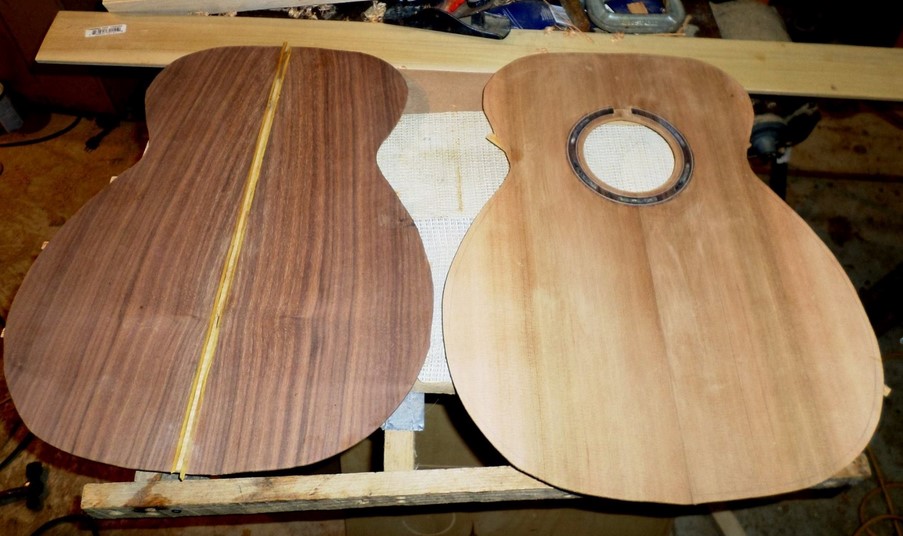
Different types of wood used for soundboards have unique tonal properties that are essential to the business of guitar making. For example, Sitka spruce soundboards are known for their bright, balanced tone with a crisp attack, making them ideal for a variety of musical styles. On the other hand, Lutz guitar soundboards, a hybrid of Sitka spruce and Engelmann spruce, offer a slightly warmer and more complex tonal range, which adds a distinctive edge in the business of crafting premium guitars.
The Best Guitar Soundboards for Different Playing Styles
Choosing the right soundboard is crucial for achieving the tonal qualities you desire, and it varies depending on your playing style and musical genre.
Sitka Spruce Soundboards for Versatility
The Sitka spruce soundboard is one of the most popular choices for guitar builders due to its versatility and balanced tonal qualities. Sitka spruce offers a clear, bright sound with good projection, making it suitable for a wide range of genres, from classical to rock. Whether you’re strumming chords or picking intricate melodies, Sitka spruce responds well to different playing techniques, providing clarity and a strong, consistent tone.
Lutz Guitar Soundboards for Warmth and Clarity
If you’re looking for a soundboard that offers warmth and clarity, Lutz guitar soundboards are a fantastic option. The combination of Sitka and Engelmann spruce in Lutz soundboards creates a tonal profile that is both complex and full-bodied, with excellent sustain. These soundboards are particularly favored by musicians who play fingerstyle or other nuanced techniques where tonal richness is essential.
The Science Behind Thermally Modified Soundboards
In recent years, thermally modified soundboards have gained popularity due to their enhanced durability and improved tonal qualities. Thermal modification is a process where the wood is heated to a high temperature in a controlled environment, altering its physical properties.
How Thermal Modification Affects Tone
The heat treatment used in thermally modified soundboards changes the molecular structure of the wood, making it lighter, more stable, and less prone to warping. This process also results in a more dynamic tonal range, often making the wood sound more “broken in” from the start. Many musicians report that thermally modified soundboards produce a tone with a warmer, richer character that matures quickly over time.
Durability and Sustainability
In addition to improved tonal qualities, thermally modified soundboards are also more resistant to changes in humidity, making them a great choice for guitars exposed to varying climate conditions. The treatment increases the wood’s longevity, ensuring your guitar maintains its sound quality for years to come.
How to Choose the Right Soundboard for Your Guitar
Selecting the right guitar soundboard can be a daunting task, especially with so many options available. Here’s a breakdown of the factors to consider when choosing the best soundboard for your guitar:
Key Factors to Consider
- Wood Type: Different woods like Sitka spruce, Lutz spruce, and thermally modified woods offer distinct tonal qualities. Consider the type of sound you want—bright and crisp, warm and rich, or balanced and versatile.
- Playing Style: Fingerstyle players may prefer the nuanced tonal qualities of Lutz or thermally modified soundboards, while strummers may prefer the bright, punchy tone of Sitka spruce.
- Aesthetic Preferences: Some guitarists choose their soundboard material based on aesthetic appeal, such as the grain patterns in acoustic guitar soundboards. This may not affect tone directly, but it can influence your overall experience with the guitar.
Consider Your Budget
The cost of a guitar soundboard varies depending on the type of wood, its age, and the quality of craftsmanship. While Sitka spruce is relatively affordable, specialty woods like Lutz guitar soundboards or thermally modified options can be more expensive. Keep in mind that investing in a high-quality soundboard can greatly enhance your instrument’s performance and longevity.
The Impact of a High-Quality Soundboard on Your Playing Experience
Having the best guitar soundboards can dramatically improve your playing experience. Whether you’re a casual player or a professional, the right soundboard will help you achieve the tone and responsiveness you desire from your instrument.
Enhanced Tone and Resonance
A premium soundboard ensures that every note you play is full of character, whether you’re playing softly or strumming with force. High-quality soundboards provide better resonance, sustain, and projection, allowing your guitar to stand out in any musical setting.
Greater Playability and Comfort
A well-made soundboard contributes to the overall playability of your guitar. When you’re playing on an instrument with a responsive soundboard, you’ll notice a greater connection to the guitar, making it easier to express yourself musically. Additionally, guitars with superior soundboards are more forgiving, offering a richer tone even when playing at lower volumes.
Moving Forward: Finding the Soundboard That Complements Your Playstyle
In conclusion, the guitar soundboard is an essential component that can elevate your instrument’s performance to the next level. Whether you opt for the versatility of Sitka spruce, the warmth of Lutz, or the advanced qualities of thermally modified soundboards, the right soundboard will help you unlock your guitar’s true potential. By understanding the nuances of soundboard materials and their impact on tone, you can make an informed choice that enhances your musical journey.
FAQs: Choosing the Right Guitar Soundboard
What is the difference between Sitka spruce and Lutz guitar soundboards?
Sitka spruce is known for its bright, clear tone with a sharp attack, making it suitable for a variety of genres. Lutz guitar soundboards, on the other hand, combine the characteristics of Sitka and Engelmann spruce, providing a warmer, more complex tonal range with enhanced sustain, offering a superior service to those seeking a richer, more dynamic sound.
Are thermally modified soundboards better than untreated wood?
Thermally modified soundboards offer enhanced durability and improved tonal qualities. They sound warmer and more “mature” right from the start, and they are more resistant to environmental changes such as humidity. However, whether they are “better” depends on your personal preferences and the sound you’re looking for.
How does the choice of a soundboard affect guitar playing?
The guitar soundboard plays a crucial role in shaping the guitar’s tone, resonance, and sustain. Choosing the right soundboard can greatly enhance your playing experience by providing the tone and projection that suits your style, whether you play classical, fingerstyle, or rhythm guitar.
Can I customize my guitar’s soundboard?
Yes, many luthiers and guitar makers offer the option to customize your guitar’s soundboard. You can choose from different types of wood and tailor the thickness and bracing to suit your playing style and tonal preferences.
What makes a guitar soundboard the “best”?
The best guitar soundboards are those that provide the optimal balance of tone, resonance, and durability. They are made from high-quality woods, such as Sitka spruce or Lutz, and are crafted with attention to detail to enhance the overall sound of the guitar.